.avif)
This question comes to us from one of our users in Illinois:
An auto mechanic performed unapproved work on my vehicle, and they are now demanding I pay for work I did not authorize.
Usually, an Illinois automotive repair shop cannot require you to pay for work that you did not explicitly approve of. Illinois automotive repair shops are required to provide a detailed estimate of the scope of work and the costs to be incurred for a specific repair job. If the automotive repair shop believes that additional work will be required beyond what was agreed upon, they will need the customer to provide explicit approval, either verbally or in writing.
If the automotive repair shop fails to obtain verbal or written approval, a customer can file a complaint with the Illinois Attorney General’s Office, which will then investigate and potentially seek fines against the automotive repair shop. Additionally, a customer can file a lawsuit against the automotive repair shop and recover the actual damages they suffered, and punitive damages if the automotive repair shop’s conduct is proven to be egregiously fraudulent or deceptive.
Valid Contract
In order to have a valid and enforceable contract, all three legal elements must occur:
- Offer – One party to the deal must make an offer, such as fixing your bumper for $1,000.
- Acceptance – The other party to the deal must then accept their offer. They must let them know that they accept their proposed agreement and will pay them $1,000 to fix their bumper.
- Consideration – There must be something of value exchanged by both parties to the agreement. Here, one party is providing their labor and parts, and the other is providing $1,000.
If any of these elements are missing, there is no valid enforceable contract. If a mechanic performs work without first offering to do so and receiving a valid acceptance from the customer, it will seriously weaken the enforceability of their claim for repayment.
Illinois Automotive Repair Act
The Illinois legislature passed the Illinois Automotive Repair Act to protect customers and combat deceptive practices by automotive repair workers. This law now requires automotive repair shops to provide a written estimate for all repair work that is estimated to exceed $100.
These must include a detailed description of the parts and labor required for the repair. If a repair will require additional work beyond what was agreed upon in the original estimate, the Automotive Repair Act requires the automotive shop to obtain the customer's explicit approval before performing any additional work. However, this approval can be either verbal or in writing, so long as it is documented.
Additionally, customers have certain rights to protect them against fraud and ensure that any work committed was necessary, including the right to receive any replaced parts. Such replacement parts must be provided by the automotive repairer upon request.
Unauthorized Repairs
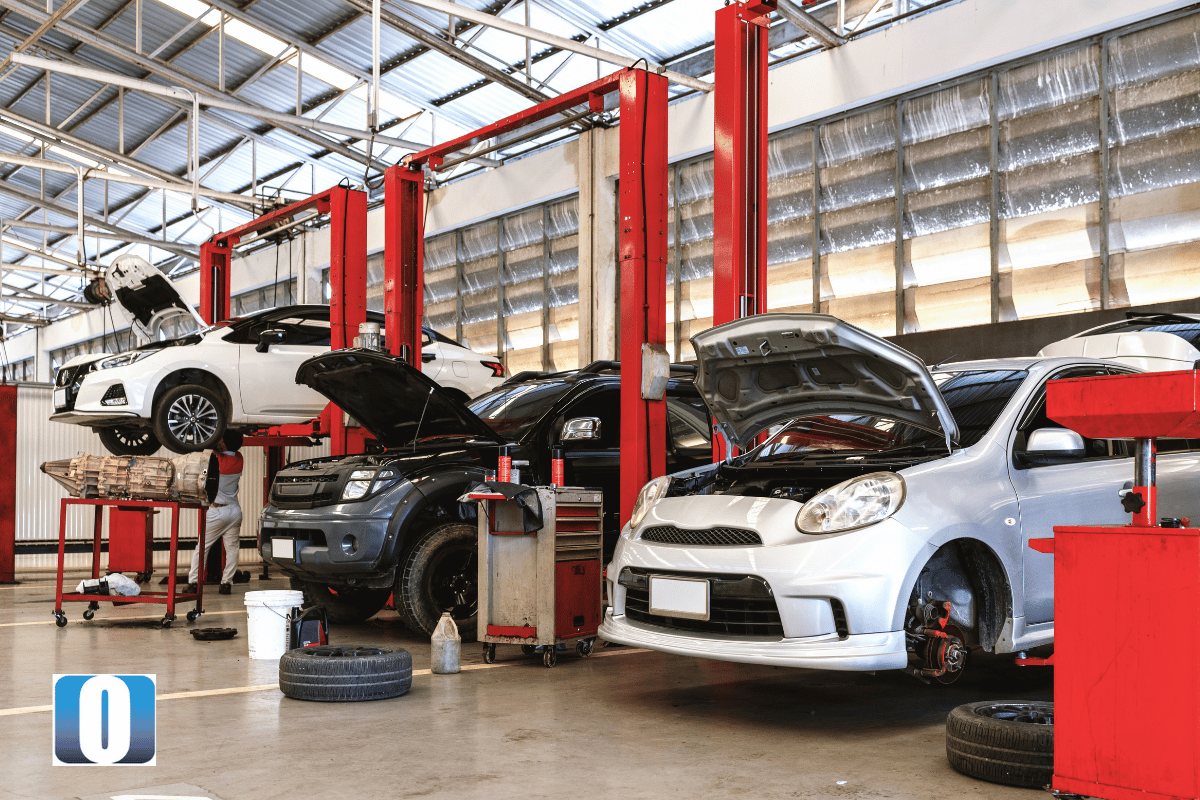
There are multiple factors that can lead intentionally or unintentionally to “unauthorized repairs.” Despite the requirement that auto shops provide detailed estimates, there can still be ambiguity and vagueness in the estimate or in what is told to the customer.
Vagueness in either verbal agreements or written repair scope-of-work documents can cause confusion on the mechanic’s part about what work they are supposed to perform, or on the customer’s part about what work they have agreed to.
Occasionally, the repairer will engage in more nefarious efforts to confuse the customer and trick them into agreeing to a greater scope of work than they intended. The best way to combat vague repairs is by challenging whether the original estimate met the specificity requirements of the Illinois Automotive Repair Act.
Inflated Costs
It can be more complicated to combat inflated costs or repair work that exceeds the estimate. There are times when a repair bill will exceed an estimate. Although the automotive shop is required to provide an estimate, it is not required to perform work for the exact amount estimated.
Sometimes, things will happen that validly increase the repair cost. Sometimes the price of parts increases due to scarcity or inflation.
Sometimes the work simply requires more labor hours to repair than initially anticipated. When faced with these valid price increases, customers are often required to pay the difference. However, the customer may be able to challenge these price increases if they believe the automotive shop is lying about them or stretching the truth to artificially inflate their repair bill.
Enforcement of the Illinois Automotive Repair Act
Automotive repair shops that violate the Illinois Automotive Repair Act can face very hefty fines. Customers who feel that their rights have been violated can file a complaint with the Illinois Attorney General’s Office.
Complaints should be submitted with a detailed account of events and their believed violation, as well as any supporting documentation, such as estimates, communications between the customer and the automotive repair shop, and invoices. The Attorney General’s Office will then conduct an investigation.
If it finds that the automotive repair shop has failed to comply with the Automotive Repair Act, it will issue a fine reflecting the severity of the infraction and the number and frequency of any previous infractions. If there is a demonstrable pattern of fraud or deception under the Consumer Fraud and Deceptive Business Practices Act, the Attorney General’s Office can issue fines of up to $50,000 for each violation found to be part of this pattern.
Civil Litigation
In addition to filing a claim with the Illinois Attorney General’s Office, a customer can also file a civil litigation claim against the automotive repair shop directly. Under the Consumer Fraud and Deceptive Business Practices Act, they can file a lawsuit directly against an automotive repair shop for fraudulent or deceptive practices.
Through such lawsuits, customers can recover the actual damages they suffered, such as provable inflated costs and work not agreed to.
Less commonly, customers can recover punitive damages, which seek to punish repair shops for committing especially egregious fraudulent behavior and discourage them from continuing to defraud customers.
Designed for general information use only. The content above does not constitute legal advice or the formation of an attorney/client relationship.


.avif)

.svg)
